Student walkouts at Oklahoma high schools protest ICE, prompting districts to emphasize safety and attendance rules
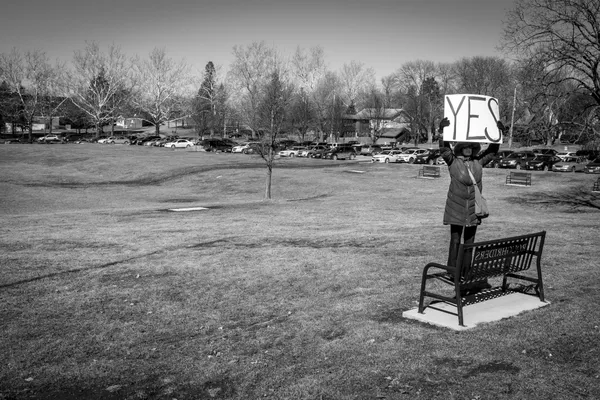
Walkouts spread across Tulsa-area and Oklahoma City-area campuses
Students at several Oklahoma high schools staged walkouts in early February to protest U.S. Immigration and Customs Enforcement (ICE) and federal immigration enforcement, with actions reported in Tulsa and its suburbs as well as the Oklahoma City metro.
In Tulsa, students at Nathan Hale High School and Edison Preparatory Academy left class on Thursday, Feb. 5, gathering outside their campuses with signs and chants. Reports from the scene described a crowd of more than 100 students at Hale moving from the track area toward the street frontage, while administrators and staff monitored students outside and later directed them back indoors.
On Friday, Feb. 6, students from Jenks High School walked out and marched in the city’s downtown area along Main Street, chanting and carrying signs. School administrators did not sanction the demonstration and encouraged students to remain in class.
Broken Arrow and Mustang walkouts follow
Additional walkouts followed on other campuses. In Mustang, students participated in a walkout on Thursday, Feb. 5. The district notified families that the demonstration was not school-sponsored and said classes continued as normal for students who stayed in class, with staff deployed to supervise those who walked out.
In Broken Arrow, students held a walkout on Monday, Feb. 9. The district said it supports students’ First Amendment rights while also applying school policies tied to state and federal law, including rules on when protests may occur and attendance consequences for missing class without permission.
District responses focus on supervision, designated areas, and truancy policies
School and district statements emphasized student safety and orderly operations during instructional time. Tulsa Public Schools said it has guidance in place for student demonstrations designed to minimize disruption to learning and prioritize safety through designated demonstration areas that vary by site. The district also said it was aware of reports of profanity and inappropriate language and would respond under established student behavior and disciplinary expectations.
Mustang Public Schools stated that students who left campus and did not return to class by the end of the lunch period would have absences addressed under attendance policy and the student code of conduct.
Broken Arrow Public Schools said students may peacefully protest during student free time on campus—before or after school and during lunch—and that students may not interfere with the peaceful conduct of school activities. The district added that students must be checked out by a parent or guardian to leave campus during the instructional day and that unexcused absences would be treated as truancy with consequences.
Broader national pattern of student-led anti-ICE walkouts
The Oklahoma walkouts occurred amid a wider national pattern of student demonstrations focused on immigration enforcement, including school walkouts reported in other states in recent weeks. In Oklahoma, the events reflected a mix of campus-based gatherings and off-campus marches, with districts generally drawing a clear line between allowing expression and enforcing safety procedures and attendance rules.
Key dates in Oklahoma actions: Feb. 5 (Tulsa-area walkouts; Mustang walkout), Feb. 6 (Jenks march), Feb. 9 (Broken Arrow walkout).
Common district themes: supervision during demonstrations, designated areas, and attendance/truancy enforcement when students miss instructional time.
School districts repeatedly framed their approach as balancing students’ rights to protest with campus safety requirements and routine instructional operations.