U.S. House Panel Moves Bill to Reduce State Costs for Summer EBT Children’s Nutrition Support
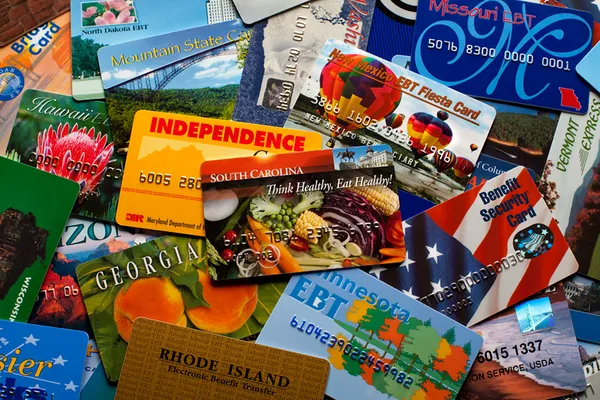
Legislation targets administrative costs tied to summer grocery benefits for eligible children
A bill intended to expand state participation in a federal summer nutrition benefit for children advanced in the U.S. House, centering on how much states must pay to administer the program when school is out. The proposal, titled the Bridge to Summer Nutrition Act of 2025, would increase the federal share of certain administrative expenses connected to the Summer Electronic Benefits Transfer (Summer EBT) program, which provides grocery-purchasing benefits to families of eligible school-age children during summer months.
Under the bill’s text, the U.S. Department of Agriculture would pay states 90% of specified monthly administrative costs in fiscal years when a state operates Summer EBT. The measure links the enhanced federal payment not only to Summer EBT administrative operations but also to the state’s administration of the Supplemental Nutrition Assistance Program (SNAP), the nation’s largest grocery-assistance program.
What the bill would change
The legislation is structured around a single policy lever: reducing the budgetary and operational burden on states that run Summer EBT. In practice, states face ongoing expenses that can include staffing, eligibility systems, outreach, vendor and EBT processing costs, and program integrity work. The bill would raise the federal reimbursement for qualifying administrative costs to 90% in the fiscal years a state operates Summer EBT.
- Applies in fiscal years when a state operates Summer EBT.
- Sets a 90% federal payment rate for specified monthly administrative costs.
- Addresses administrative costs tied to both Summer EBT and SNAP administration as described in the measure.
Why administrative funding is central to state participation
Summer EBT is designed to fill a seasonal gap: many children who receive free or reduced-price school meals lose that daily nutrition support when schools close. While Summer EBT delivers benefits directly to families for groceries, the program requires administrative capacity to identify eligible children, issue benefits, and handle changes, disputes, and compliance activities. States that do not participate can cite administrative complexity and cost as barriers; supporters of the bill argue that raising the federal share of those costs would increase feasibility for states deciding whether to operate the program.
What happens next
The Bridge to Summer Nutrition Act of 2025 has been introduced and referred to House committees for consideration. If approved by committees, it would need to pass the full House and Senate before going to the president for signature.
The bill’s stated purpose is to reduce state administrative costs for administering both SNAP and the Summer EBT program for children.
As Congress weighs the bill, the debate is expected to focus on federal spending for administration versus the practical goal of expanding access to summer grocery benefits for eligible children through greater state participation.