What Markwayne Mullin’s Homeland Security confirmation hearing reveals about DHS priorities and Oklahoma’s political stakes
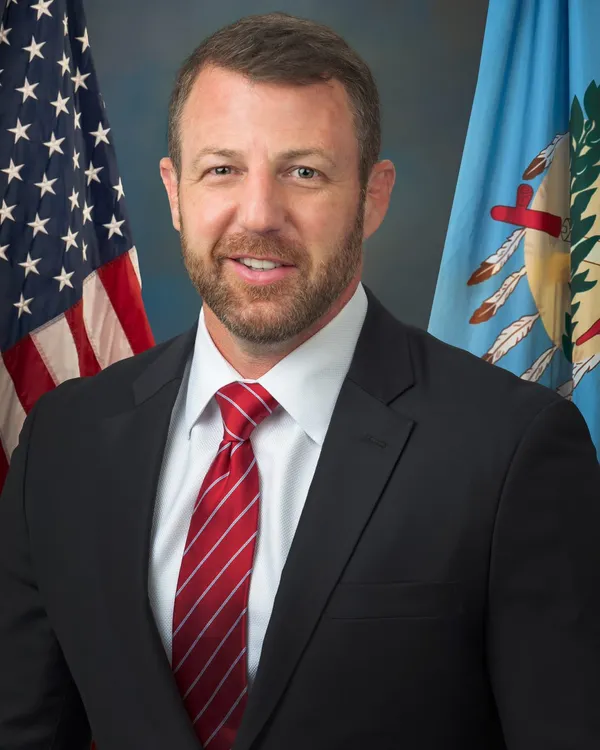
A high-profile nomination with direct implications for border enforcement, disaster response and Oklahoma’s Senate seat
U.S. Sen. Markwayne Mullin, an Oklahoma Republican, is scheduled to testify on March 18, 2026, before the Senate Homeland Security and Governmental Affairs Committee as the nominee to lead the Department of Homeland Security (DHS). The hearing is set for 9:30 a.m. in the Dirksen Senate Office Building in Washington.
The nomination follows President Donald Trump’s March 5 announcement that he would replace then-DHS Secretary Kristi Noem with Mullin. The move places a sitting senator from Oklahoma at the center of a confirmation process that will test the administration’s homeland security agenda and the Senate’s appetite for oversight of the nation’s third-largest federal department.
What senators are expected to examine
DHS combines responsibilities that affect daily life across the country: immigration and border enforcement, airport screening and transportation security, cybersecurity coordination, and the federal government’s disaster response apparatus. The committee hearing is expected to focus on how Mullin would manage these functions amid multiple pressures, including border operations and backlogs, oversight of detention and enforcement practices, and operational performance across agencies within DHS.
Lawmakers are also positioned to press for management answers. DHS’s scope spans large, complex components, and the next secretary will inherit demands for internal accountability, contracting and procurement oversight, staffing stability, and measurable performance in immigration enforcement and emergency management.
Why it matters for Oklahoma
For Oklahoma, the nomination has both policy and political consequences. DHS decisions shape federal engagement on disaster recovery and preparedness, which can be relevant to the state’s severe weather risks. DHS also influences border and interior enforcement priorities that affect regional labor markets, law enforcement coordination and local communities.
Politically, a successful confirmation would be expected to trigger changes in Oklahoma’s Senate representation. If Mullin leaves the Senate to join the administration, the process for filling a vacancy would move to state officials under applicable Oklahoma election and appointment procedures, adding urgency to succession planning within the state’s Republican landscape.
What happens next in the confirmation process
The March 18 hearing is an early, public step. Following questioning, the committee can advance the nomination to the full Senate. The timing of subsequent steps—committee action, scheduling for floor debate and a final vote—will depend on Senate procedure and the pace of negotiations among party leaders.
- DHS secretary nominees typically face detailed questioning on immigration, counterterrorism, emergency management and agency leadership.
- The committee’s recommendation is influential but not final; confirmation requires a vote of the full Senate.
- Any transition in Oklahoma’s Senate seat would reshape the state’s federal delegation and committee assignments.
The Senate hearing is set for March 18, 2026, at 9:30 a.m., before the Homeland Security and Governmental Affairs Committee.
As the hearing opens, the central issue for senators will be whether Mullin can credibly outline operational priorities for a department that simultaneously manages border enforcement, travel security, cybersecurity coordination and disaster response—missions that often compete for resources and leadership attention.