What to know before Gov. Kevin Stitt delivers his final State of the State address Monday
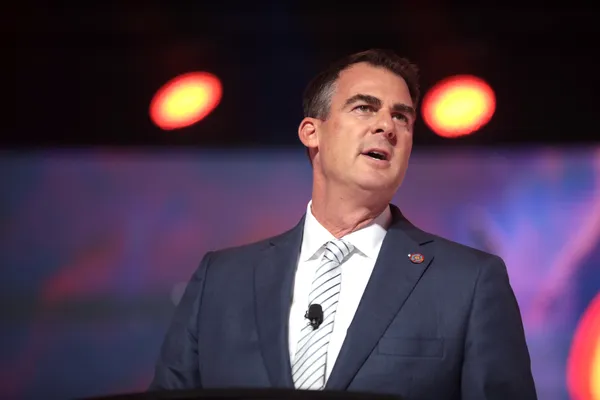
Address opens the 2026 regular session at the Capitol
Gov. Kevin Stitt is scheduled to deliver his State of the State address at noon on Monday, Feb. 2, 2026, in the Oklahoma House chamber, formally opening the second regular session of the 60th Oklahoma Legislature. The speech comes at a pivotal moment in state politics: Stitt is in the final year of his second term and is barred by Oklahoma’s constitutional term limits from serving beyond eight years as governor.
The annual address is a high-profile event because it sets the tone for negotiations between the executive branch and lawmakers over policy priorities, budget decisions and the pace of the legislative agenda. While lawmakers can introduce bills independently, the governor’s public priorities often influence which proposals gain momentum early in session.
Why this year is different: term limits and the 2026 election calendar
This year’s speech is Stitt’s last State of the State as governor. Under Oklahoma’s constitution, the governor may not serve more than eight total years in office, which makes 2026 Stitt’s final legislative session with full authority to sign or veto bills and propose an executive budget.
It also unfolds against the backdrop of a statewide election year. Oklahoma will elect a governor on Nov. 3, 2026, and primaries are set for June 16, 2026. With the governor’s office open, policy disputes during the session can carry added political weight for lawmakers and would-be statewide candidates.
What lawmakers are walking into: bill volume and party makeup
The House entered the session after completing bill filing for 2026, with 1,578 House bills and 50 House joint resolutions filed by the deadline. In addition, more than 1,600 measures filed in 2025 remain eligible for consideration during the 2026 session.
Republicans hold a large majority in the House, which is currently comprised of 80 Republicans and 19 Democrats, with two vacancies. That partisan balance shapes committee dynamics, floor schedules and the likelihood that the governor’s priorities advance quickly—or face resistance—depending on alignment with legislative leadership.
What to watch in the address and immediately after
Budget direction: The speech typically previews the administration’s broad fiscal approach, which can influence early negotiations before detailed appropriations bills move.
Signature policy proposals: Governors often highlight a limited set of priorities they expect lawmakers to take up early; those items can become benchmarks for the session’s success.
Inter-branch relationships: The address can signal whether the governor is aiming for consensus with House and Senate leadership or preparing to draw sharper lines on specific issues.
End-of-term governance: With no re-election campaign, the governor’s final session can shift focus toward legacy initiatives, veto strategy, and implementation priorities inside the executive branch.
The State of the State address is scheduled for noon on Feb. 2, 2026, as the 2026 regular session convenes.
Following the address, attention will turn quickly to committee hearings and early floor deadlines as lawmakers begin sorting hundreds of proposals into a short list capable of moving through both chambers before the constitutionally scheduled end of session on May 29, 2026.