Gov. Stitt declares state of emergency for eight Oklahoma counties after storm damage and recovery needs
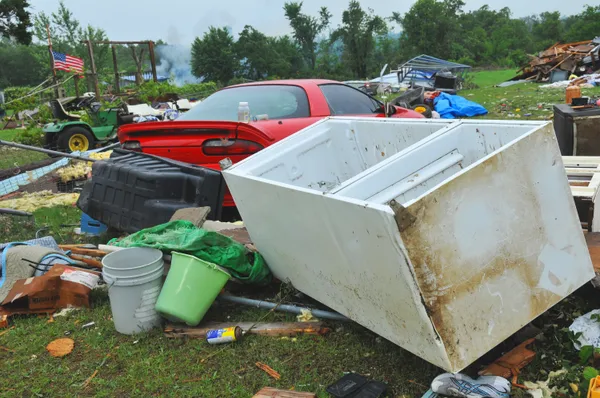
Executive order activates state resources and eases logistics for response operations
Gov. Kevin Stitt has declared a State of Emergency for eight Oklahoma counties following a round of severe storms that damaged homes and infrastructure, disrupted utilities, and prompted local governments to escalate response operations. The declaration authorizes state agencies to coordinate assistance with county and municipal emergency managers and to mobilize resources for immediate response and early recovery.
Under Oklahoma’s emergency management framework, such declarations are typically used to accelerate mutual aid, align state assets with local needs, and remove regulatory friction during emergency work. In prior Oklahoma storm emergencies, executive orders have been used to ease transportation limits for vehicles delivering emergency relief supplies and supporting power restoration and debris removal, enabling utilities and contractors to move equipment more quickly.
What a state of emergency changes on the ground
For affected counties, the practical effects are centered on speed and coordination. Emergency declarations commonly support:
- Expanded coordination through the state emergency management structure for damage assessment, resource requests, and situational reporting.
- Faster staging and movement of response assets, including heavy equipment for debris clearance and repair crews for utilities and public works.
- Administrative pathways to pursue state assistance and, when thresholds are met, to support requests for federal programs.
The declaration does not automatically mean individual residents will receive direct payments. Instead, it is a legal and operational step that can help document impacts and organize the evidence needed to determine what aid programs may become available.
Storm impacts and ongoing risks
The emergency order comes amid a broader stretch of volatile weather across the central United States, including tornadoes and high-wind events that have caused deaths and widespread damage in the region in early March 2026. In Oklahoma, emergency officials have focused on life-safety calls, clearing roads blocked by trees and power lines, and conducting preliminary damage assessments that help determine the scale of assistance required.
Forecasters have warned that the severe-weather pattern may continue in the near term, with risks that can include additional storms, flash flooding, and renewed impacts on already-damaged areas. That complicates recovery, particularly when debris removal and temporary repairs are underway.
What residents in declared counties should do
Residents in the declared counties are typically advised to document damage with photos and receipts, avoid downed power lines, and follow local emergency management guidance on debris placement, road closures, and shelter information. People using generators should keep them outdoors and away from windows to reduce carbon monoxide risk.
Emergency declarations are designed to speed coordination and resource movement when local capabilities are strained by storm impacts.
County-by-county details—such as the extent of structural damage, power restoration timelines, and any local restrictions—are expected to evolve as assessments continue and utility repairs progress.

Oklahoma lawmakers clear key committee deadline as immigration, education funding and court reforms advance to floor votes

Hoops Heaven: Oklahoma City Set for Thrilling Pro Basketball Double-Header