Oklahoma Senate committee advances bill requiring stricter death-record checks before Medicaid approvals and ongoing enrollments
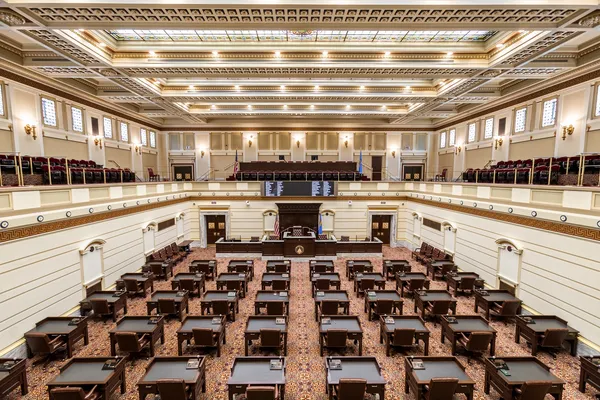
Measure targets improper Medicaid enrollments and payments tied to deceased individuals
Oklahoma lawmakers advanced a proposal this week that would require the Oklahoma Health Care Authority (OHCA) to strengthen how it verifies death records before approving Medicaid coverage and to perform additional, recurring checks for people already enrolled.
The legislation, Senate Bill 1380, moved through the Senate Health and Human Services Committee on March 5, 2026, after committee debate over whether the state Medicaid agency already has procedures to identify enrollees who have died and stop coverage and payments in their names. The bill’s author told the committee he had not reviewed data with OHCA to quantify how often the problem occurs in Oklahoma, and said he intended to examine the issue before the measure advances further.
What SB 1380 would change
Under current Oklahoma law, OHCA is required to verify applicant eligibility information, including checking death records prior to awarding Medicaid assistance. SB 1380 would tighten and specify the timing and minimum data sources for that verification.
- It would require “death record verification” immediately prior to approval of an application.
- It would require verification to use, at minimum, the Social Security Administration’s Death Master File and the Oklahoma State Department of Health’s vital statistics system.
- It would require OHCA to review information indicating changes in enrollee circumstances monthly instead of quarterly.
- It would require monthly death-record verification for all Medicaid enrollees.
- It would direct OHCA to recoup funds paid on behalf of deceased enrollees for capitated payments or services that occurred after the recorded date of death.
How OHCA says it currently handles death data
OHCA told lawmakers it already relies on multiple streams of information to detect when a member may be deceased, including internal claims data and Social Security Administration death data received through existing data-exchange pathways. When information indicates a member may have died, OHCA initiates a process that includes requesting verification from the family with a 30-day response window and ending coverage at the end of the due month if the verification is not resolved.
OHCA also indicated it is evaluating operational and system impacts tied to the bill’s proposed shift to monthly checks and the requirement to use additional data sources. OHCA stated it is working on system changes that would support use of the specified tools.
Committee debate focused on scale, cost recovery, and managed care payments
During the hearing, senators pressed for clarity on whether the additional checks would meaningfully change outcomes if the agency already conducts death verifications. The bill’s author said he could not confirm the frequency of the problem within Oklahoma’s program based on OHCA data.
Lawmakers also raised questions about how recoupment would work when payments are made after a beneficiary’s death and the beneficiary is no longer alive to repay funds. The hearing did not resolve who would ultimately be responsible for repayment in such cases.
The discussion occurred against the backdrop of federal findings that, in other states and time periods, Medicaid agencies made improper managed-care capitation payments for enrollees who had already died. Oklahoma’s Medicaid managed-care model, SoonerSelect, launched for many members on April 1, 2024, meaning the state’s current managed-care landscape differs from the period covered in the federal analysis cited during the hearing.
The committee voted 10-2 to advance the measure. The bill’s title was stricken, a procedural step that can indicate further negotiations or amendments may follow before a final floor vote.

Harold Hamm sought an appointment to Oklahoma’s U.S. Senate seat as a vacancy looms

LSU overwhelms Oklahoma in SEC Tournament quarterfinal, advancing to Saturday semifinal rematch with South Carolina
Oklahoma Senate panel backs lowering property valuation caps, raising concerns about unequal tax burdens statewide