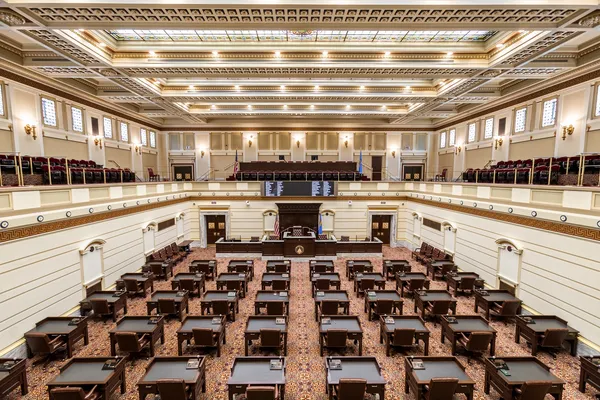
Oklahoma Senate panel backs lowering property valuation caps, raising concerns about unequal tax burdens statewide
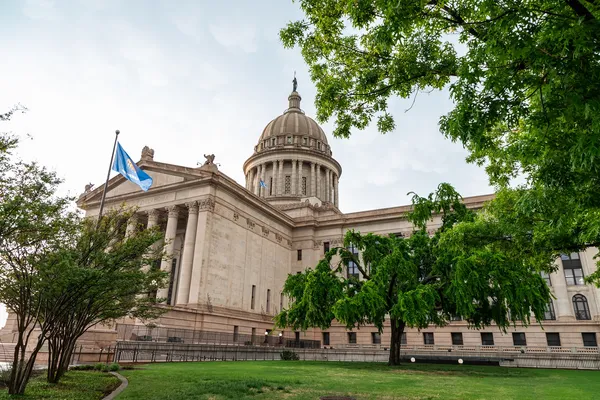
Proposal targets assessment limits tied to homesteads and agricultural land
Oklahoma lawmakers are weighing changes to the state’s constitutional limits on how quickly certain property values can rise for tax purposes, a debate that has intensified as home prices and assessed values have climbed across many counties.
On Wednesday, March 4, 2026, a Senate committee advanced Senate Joint Resolution 39, a measure that would reduce the annual cap on increases in taxable value for homestead and agricultural properties. Under existing law, homesteaded property and agricultural land are generally subject to a 3% annual cap; the resolution would lower that cap by one percentage point. Because it is a constitutional change, the proposal would ultimately require voter approval to take effect.
How valuation caps interact with property tax bills
In Oklahoma, ad valorem (property) taxes fund core local services, including public schools, county government, and municipal operations. A valuation cap does not set a tax rate; instead, it limits how quickly a property’s taxable value can increase each year, which can slow tax-bill growth even when market values rise.
Supporters describe the proposal as a way to make property-tax growth more predictable—particularly for homeowners with fixed incomes—by constraining year-to-year valuation increases. The debate unfolds alongside a broader menu of property-tax bills moving through the Capitol this session, reflecting bipartisan pressure to address rising tax bills and housing costs.
Critics warn of widening disparities between similar properties
Opponents and some policy analysts argue that tightening the cap could amplify differences in tax burdens among owners of comparable properties. The concern centers on situations where two similar homes can face markedly different taxable values depending on how long each owner has held the property, whether a homestead exemption is in place, and whether a recent sale or major improvement triggers a reassessment closer to current market value.
Under a stricter cap, those differences may persist for longer periods. Critics say this can shift a larger share of the tax load onto newer buyers and owners whose properties are not protected by the same limits, even within the same neighborhood.
Potential fiscal and administrative ripple effects
Local governments and school districts rely heavily on property-tax revenue, and changes to valuation growth can affect future collections. If taxable value growth is restrained more aggressively, local entities may face tighter revenue growth unless voters approve higher millage rates or alternative funding sources are identified.
County assessors and the state’s equalization process would still be responsible for maintaining accurate valuations and ensuring uniformity across property classes. The practical effects would depend on local real-estate trends, exemption participation, and how quickly assessed values would otherwise rise without the added limitation.
What happens next
The resolution must clear additional legislative steps before it can be placed on a statewide ballot.
If approved by voters, the revised cap would apply to homestead and agricultural properties under the terms set in the constitutional language.
Separate proposals this session also seek to reduce homeowners’ property-tax burdens through mechanisms such as increasing the homestead exemption, adding complexity to the overall fiscal picture for schools and local services.
At the core of the debate is a tradeoff between predictability for long-term owners and tax uniformity among similar properties—an issue likely to shape both legislative negotiations and any eventual statewide vote.

Oklahoma Attorney General challenges $100,000 bond for Hao Chen in alleged $1.5 billion marijuana scheme

Harold Hamm sought an appointment to Oklahoma’s U.S. Senate seat as a vacancy looms

LSU overwhelms Oklahoma in SEC Tournament quarterfinal, advancing to Saturday semifinal rematch with South Carolina